


Choose Efficiency and Safety
Ensure the highest quality meat from your hunt. Switching to non-lead ammunition is simple.
Why Use Non-Lead?
Recently there has been a lot of discussion on the issue of lead in hunting ammunition, especially rifle bullets. Regardless of who's saying what, most of us want to see the evidence of the biology, ballistics, and risks of lead ammunition. This site is intended to act as a place to gather that information together and take a look at reasons to hunt with non-lead ammo.
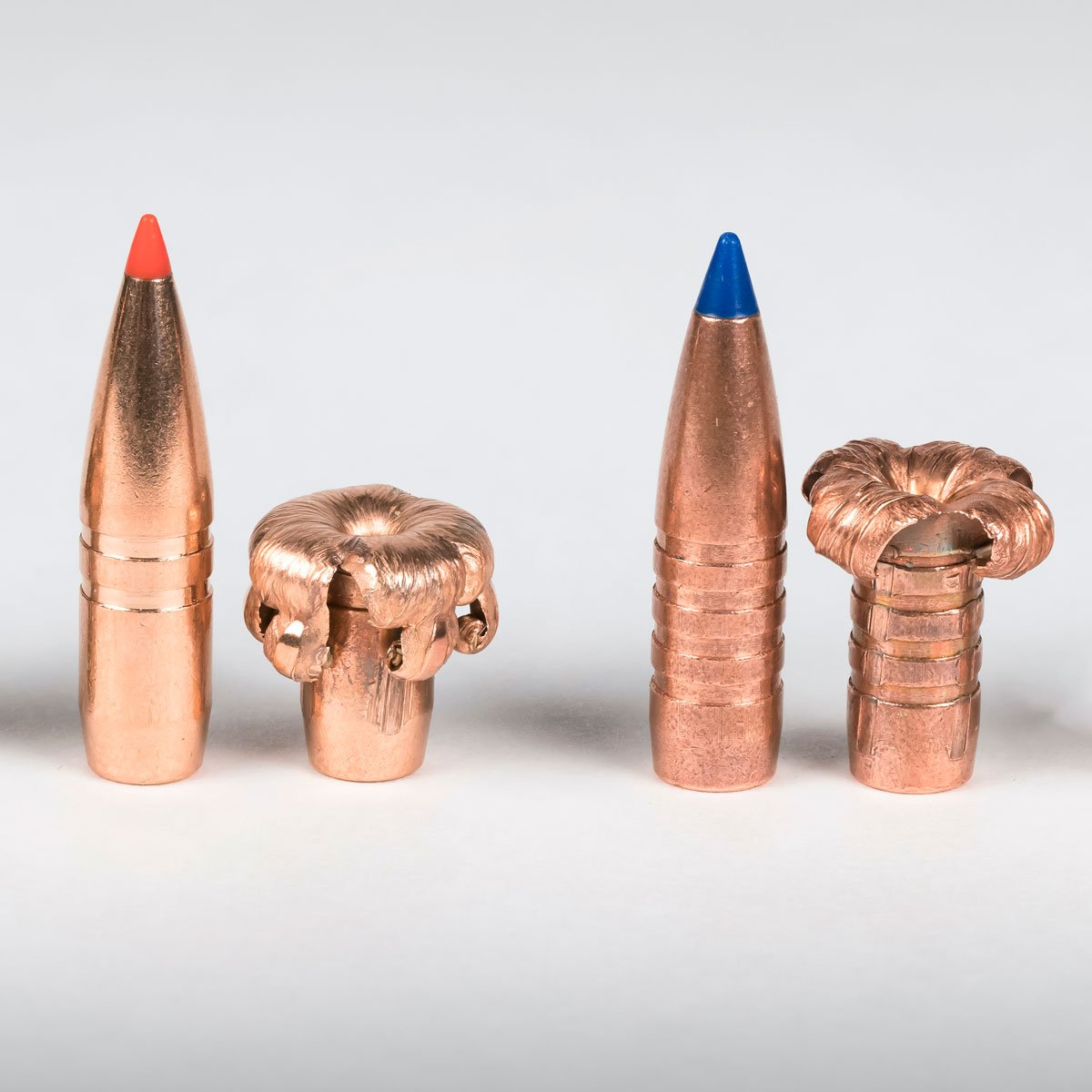
1. Non-lead Bullets are Extremely Effective
Bullets made from 100% copper were initially developed in the mid 1980's as a premium option for big-game hunting. Their monolithic design resulted in extremely consistent and rapid expansion, combined with excellent weight retention and associated deep penetration. In addition, they gained a reputation as being very accurate. A typical kill gained from a well-placed shot involves bone-crushing penetration, massive organ/tissue disruption, and frequently a sizable exit wound that aids in blood-tracking.
With the increase in demand for non-lead ammunition, more manufacturers are producing more options, in more calibers than ever before. Currently Barnes, Federal, Hornady, Winchester, and many others offer non-lead factory cartridges.
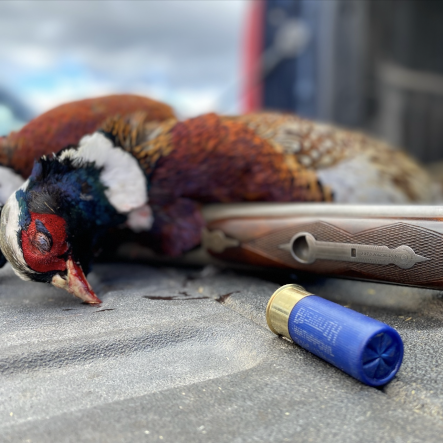
2. Ensure the Highest Quality Meat from a Harvest
One great thing about hunting wild animals is being able to put high quality meat on the table. When people invented lead bullets, it was because the metal is easy to work and makes an effective bullet. It's both heavy and malleable - so it's been a logical and effective choice for over 100 years. But no one intended that the lead would end up in people's food. So when the results of the Minnesota Department of Natural Resources study came out revealing that fragments from lead rifle ammunition can peel off and become lodged in tissue as much as 14 inches from the point of bullet entry, we took note and decided to look further into the issue.

3. Prevent Lethal Collateral Damage to Wildlife
Most hunters would agree that a good hunt is one that takes only one pull of the trigger and drops the animal with a quick, humane kill. The idea of accidentally poisoning other non-target wildlife isn't anyone's intention. But many birds and mammals feed on the gutpiles and carcasses that they find during and after hunting season. In many cases, these animals unknowingly eat lead when the carcasses have been shot with lead ammo.
So, what animals might end up as collateral damage when lead fragments remain in gutpiles or carcasses?
Lead Bullet Fragments In Game Meat
Recent documentation that lead bullet fragments frequently end up in processed game meat, particularly ground venison, has resulted in some hunters switching to non-lead. Once we hunters come to realize how bullets fragment when they strike an animal, and how small they can be, we can see how we might have missed them in butchering and processing. Trim scraps tossed into the "burger pile" can contain lead and even whole steaks have been found to have lead fragments.
We don't want to be seen as alarmist on this issue because no evidence currently exists that shows that any person has gotten actual lead poisoning from eating game meat. Medical researchers generally agree that children under age 6 and pregnant women are extra sensitive to effects from lead exposure and should take special care to avoid ingestion of lead. And while lead paint remains the primary pathway for lead exposure for children in the USA, the precautionary principle of avoiding known risk factors has prompted many hunters to use non-lead ammo.
One study that investigated the prevalence of this health risk brought 30 different eviscerated white-tailed deer carcasses to 30 separate meat processors and asked for steaks and burger packages. The packages were sub-sampled and the researchers found that 32% of 234 ground venison packages contained at least one metal fragment and 93% of all fragments were positively identified as lead.

Traditional lead bullet fragmentation on entry

Copper bullet on entry showing zero fragmentation
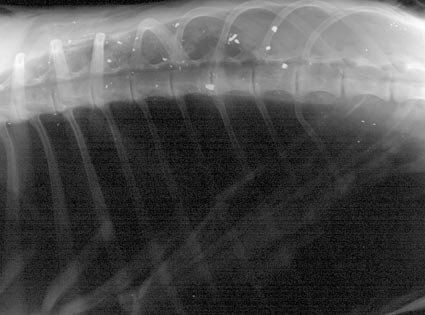
X-ray showing presence of lead bullet fragments in deer backstrap.
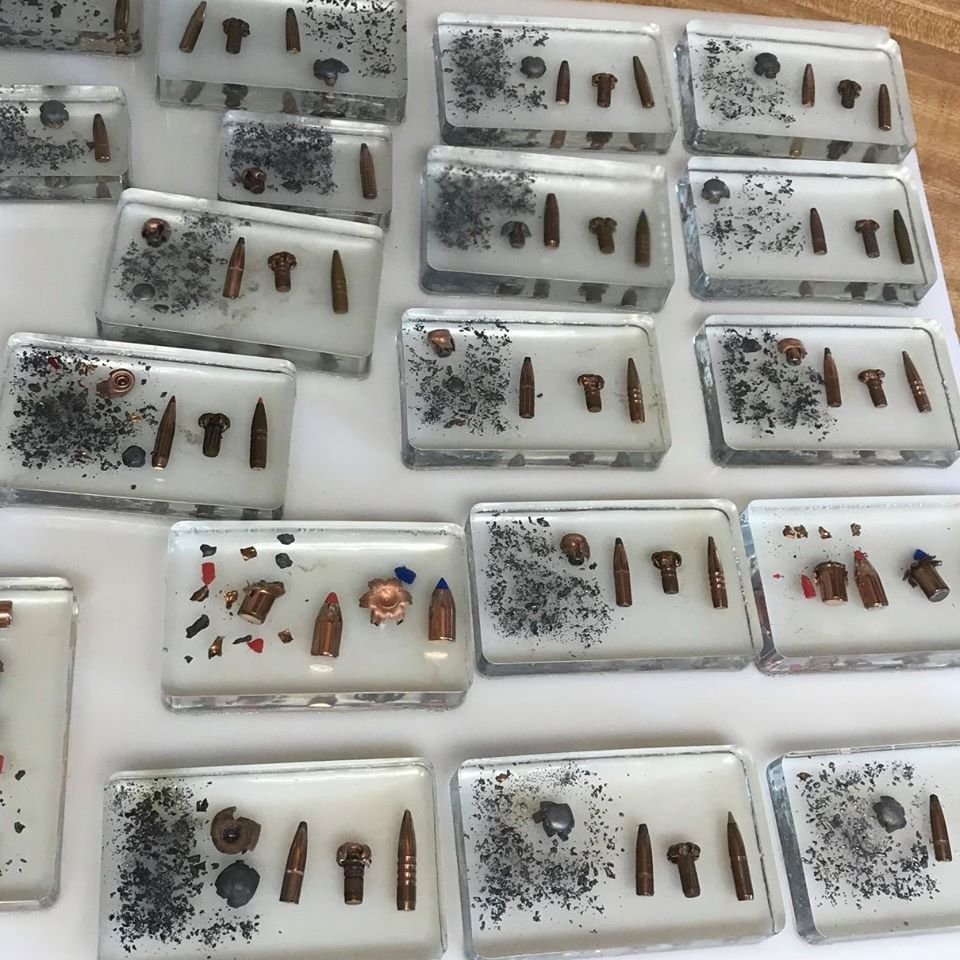
An assortment of lead bullets showing shot fracturing next to similar fired copper variants